Carl Fairclough

Mamo Design by Carl Fairclough

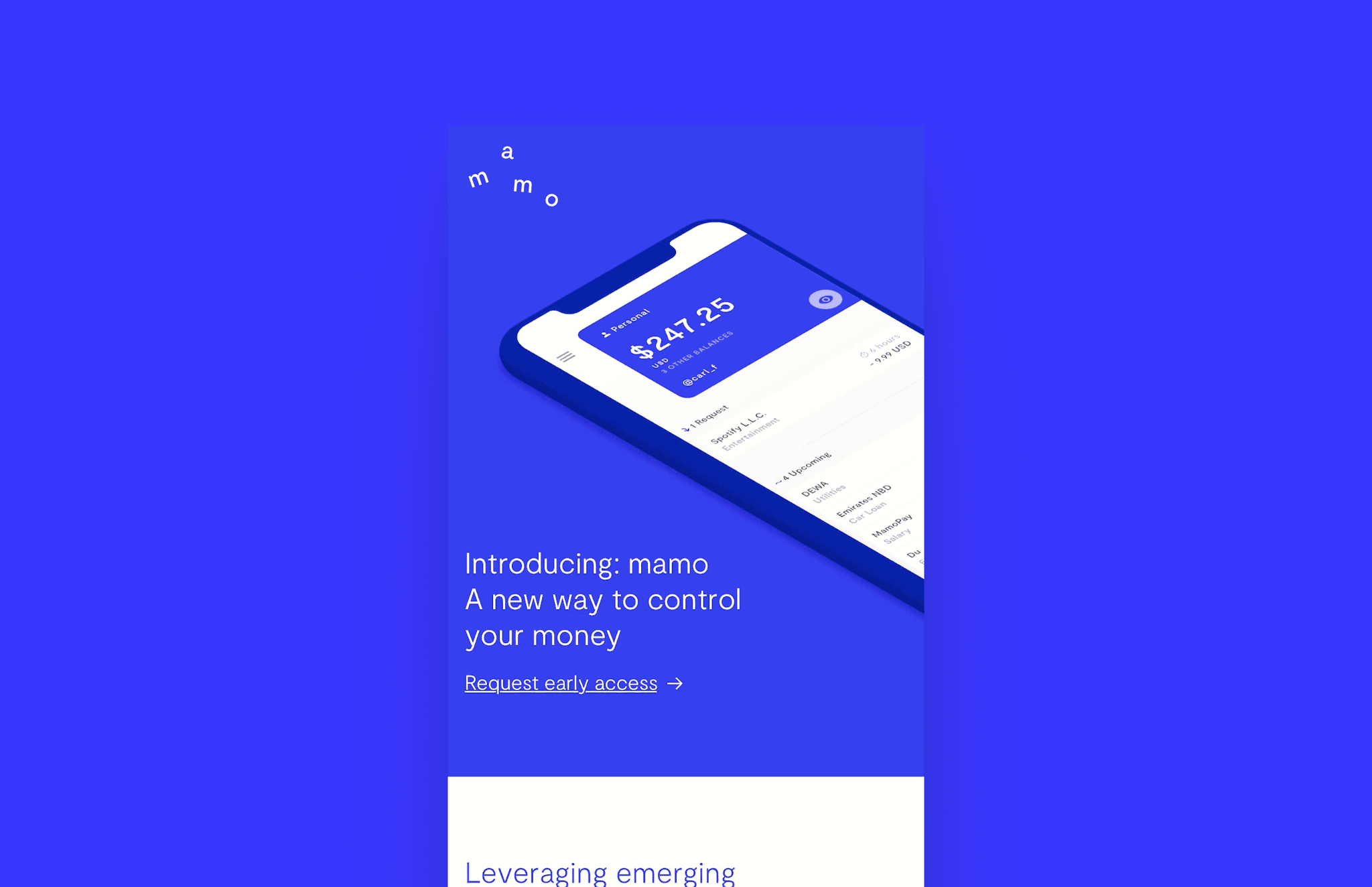
I helped shape Mamo’s original proposition at ConsenSys, then returned as the team moved towards a public consumer-payments launch.

Could modest adoption support a meaningful business?

I combined UAE payment data with Dubai demographic statistics to test the scale of the opportunity before defining the product.

Dubai population aged 20–39
55.15%

Observed · DSC, 2014

Annual POS value attributed to the cohort
AED 93.4bn

Derived · cohort share × POS value

Illustrative annual gross fees
AED 9.3m

Scenario · 1% capture at a 1% fee

  1. 1Official data
  2. 220–39 cohort
  3. 31% capture
  4. 41% fee

UAE Central Bank transaction data and Dubai Statistics Centre demographic data, 2014–15. Later transaction values were extrapolated for scenario planning. Directional analysis, not a company forecast.

I used official payment and demographic data to test whether modest adoption could support a meaningful business. The resulting model was directional—not a company forecast.

A guide crossing the Himalayan landscape during field research in Nepal

I used Nepal as a boundary case—not a proxy for UAE customers—to understand the digital boundaries of remittances: connectivity, access to cash and institutional trust.

Mamo Design by Carl Fairclough Mamo Design by Carl Fairclough

The research shifted the opportunity towards familiar exchanges: person-to-person payments, bill splitting and pooled funds.

Mamo Design by Carl Fairclough

Remittances emerged as a strategic opportunity because they moved money through relationships people already understood and trusted.
An early interaction prototype demonstrated requesting a specific amount, then sharing the request directly or by QR code. The visual identity shown here predates Mamo’s later brand.
The equal-split prototype moved from a photographed receipt to a shared total and participant selection, keeping the group—not bank details—at the centre of the flow.
A companion prototype supported assigning individual receipt items before inviting each person to settle their share. This is early UI with exploratory branding.

Mamo Design by Carl Fairclough Mamo Design by Carl Fairclough

The experience was organised around people rather than bank details, treating shared expenses and group funds as normal financial behaviour.

Mamo Design by Carl Fairclough

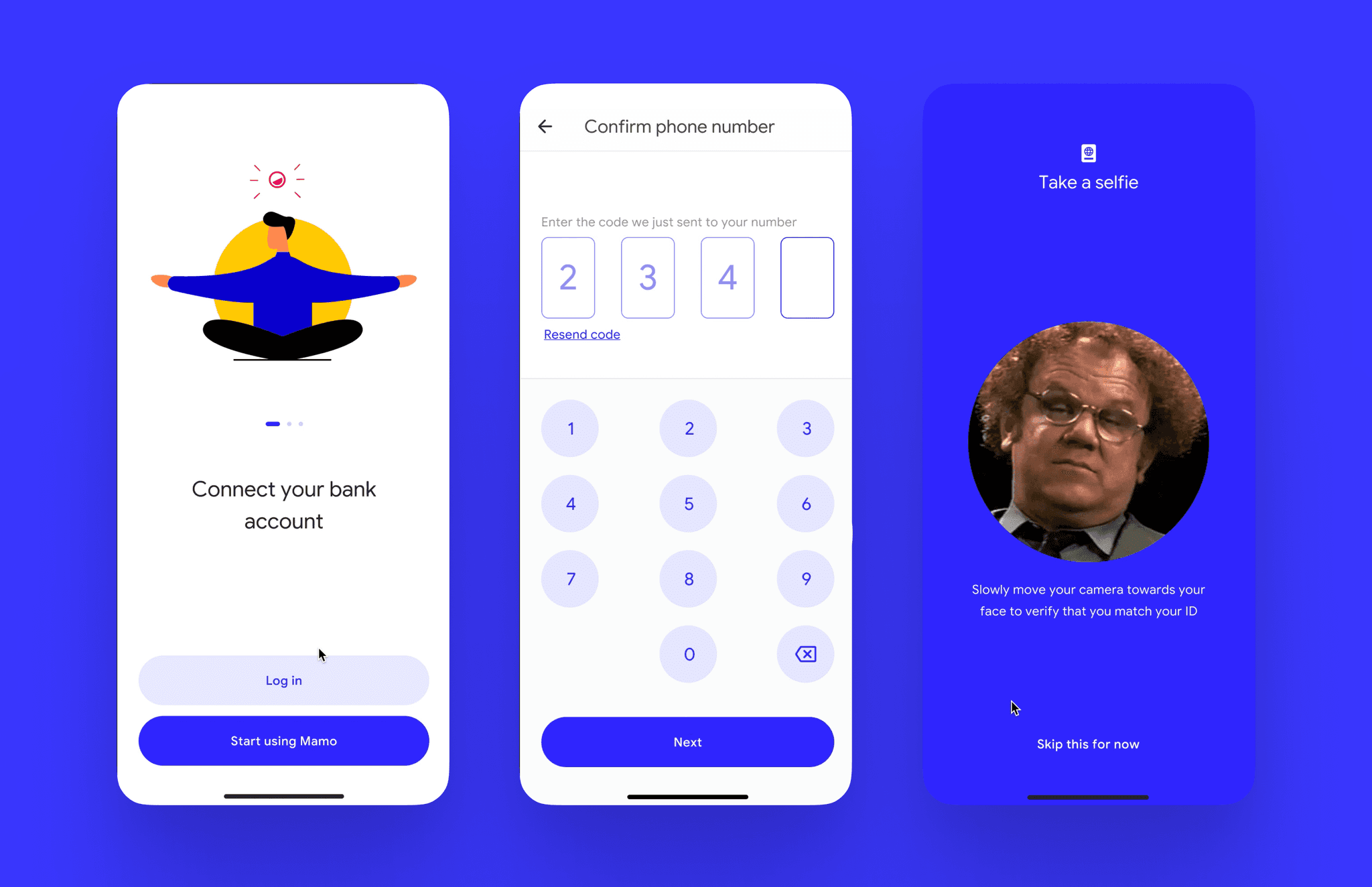
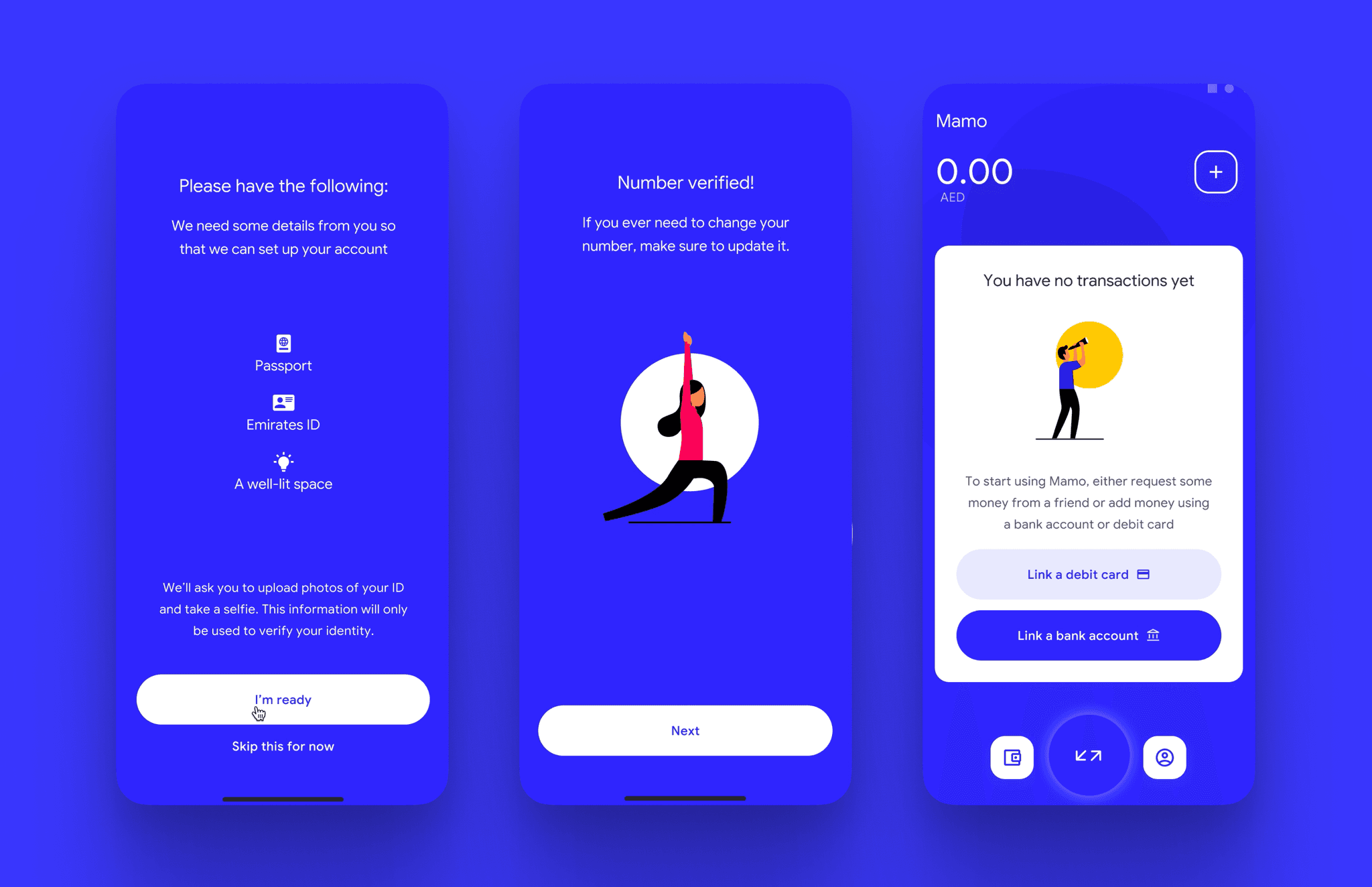
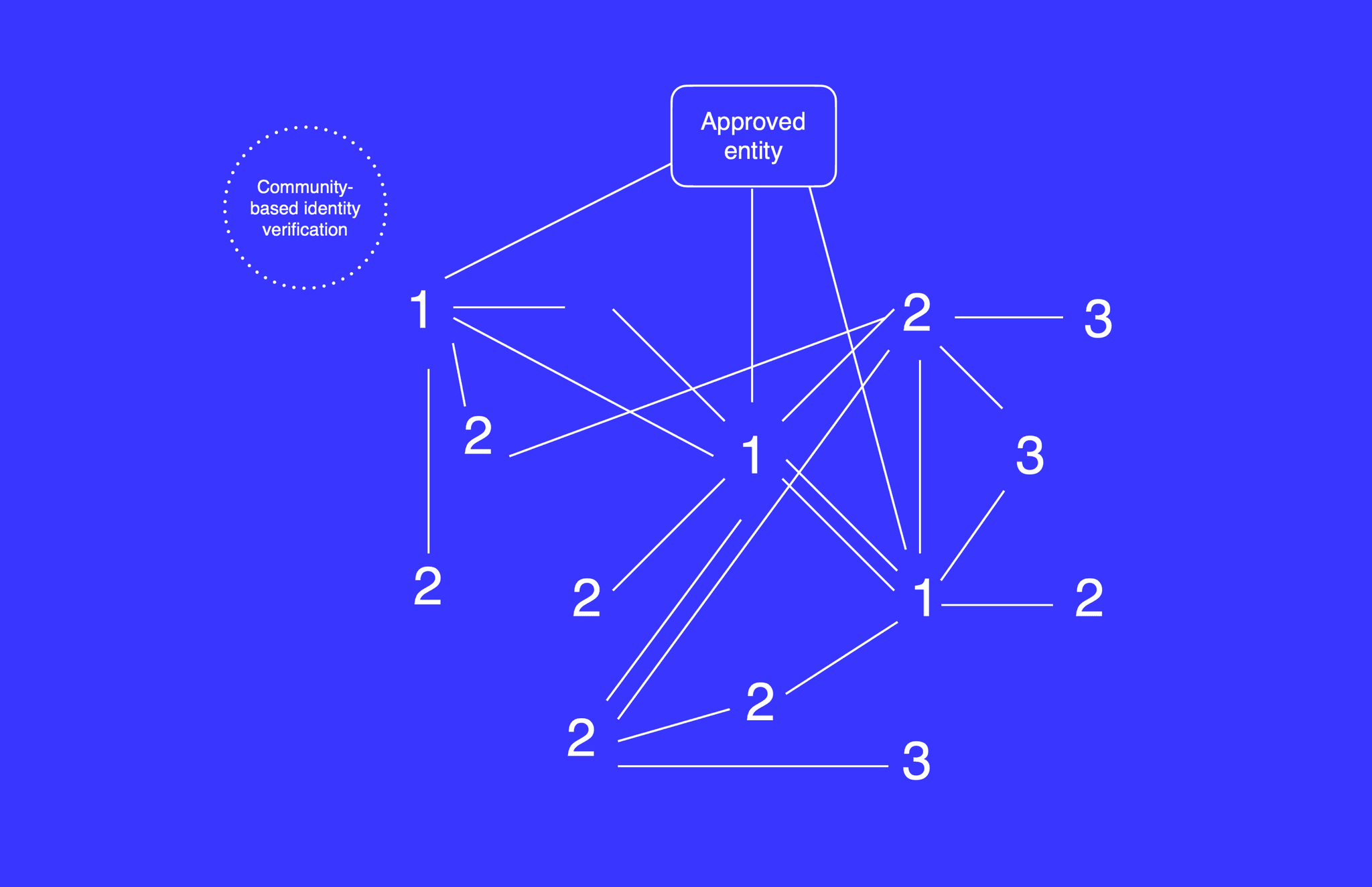
Identity, payment status, confirmation and recovery became core architecture; the cross-border proposition was ultimately constrained by the difficulty of securing an experimental banking licence.